







Search Results for: Origins of Geisha
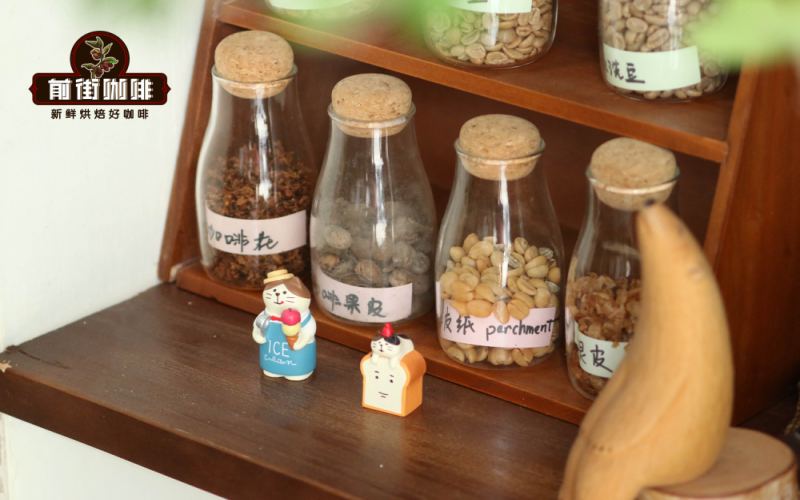
A Complete Guide to the Geisha Coffee Variety: From Its Origins and Rise to Fame to Red, Green, and Blue Label Grading and Brewing Parameters
Geisha is arguably the most legendary variety in the specialty coffee world of the 21st century, with its cupping performance and auction prices repeatedly setting new records. The saying, "If you don't know Geisha in your life, you can't truly call yourself a connoisseur," captures its status in the coffee circle. This article systematically traces Geisha's nearly century-long journey from the forests of Ethiopia to the championship stage in Panama, clarifies its relationship with names like Huakui and Yiji, explains in detail the respective grading systems of Hacienda La Esmeralda and Gesha Village, and compares the flavor differences between the two major origins of Panama and Ethiopia. The article also includes a Geisha brewing recipe from FrontStreet Coffee to help enthusiasts fully unlock the delicate layers of this expensive bean. [more…]
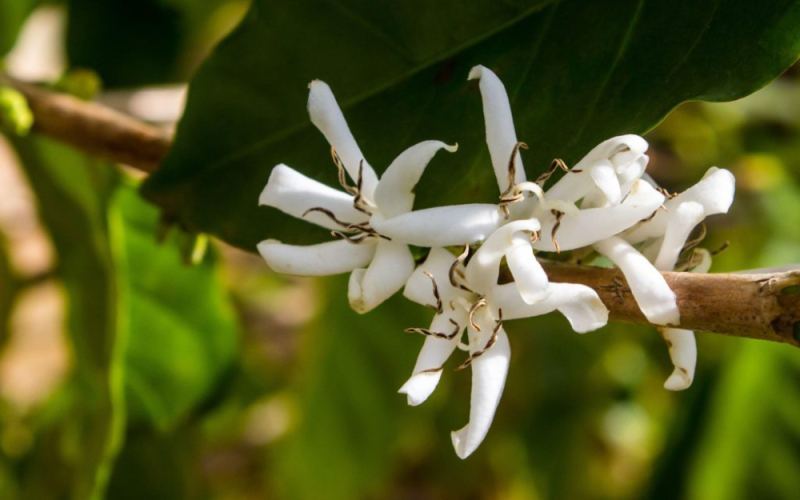
A Complete Global Guide to Geisha Coffee Origins: A Flavor Journey from Hacienda La Esmeralda in Panama to Hope Estate in Colombia
Geisha coffee is hailed as the most outstanding coffee variety of our time. From the pristine forests of Ethiopia to the world stage, it rose to fame at Hacienda La Esmeralda in Panama. Today, many coffee-producing countries have begun cultivating Geisha, but the terroir of different origins gives it strikingly different personalities. This article takes you deep into the origins and spread of Geisha, offers a detailed analysis of the characteristics and differences among Hacienda La Esmeralda's three tiers—Red Label, Green Label, and Blue Label—and steps into Colombia's Finca La Esperanza to explore this classic origin hailed as the closest to Hacienda La Esmeralda's Geisha. Front Street Coffee also brings you brewing suggestions and roasting analyses for a range of Geisha coffees, helping you fully appreciate the floral and fruity aromas and rich layers of Geisha coffee. [more…]
What's the difference between Panama Geisha and Ethiopian Geisha? A clear explanation from flavor and bean appearance to origins
Geisha is now a star variety in the specialty coffee world, but Panama Geisha and Ethiopian Geisha actually represent two different flavor paths. After comparing them, Front Street Coffee found that although both possess outstanding acidity and floral aromas, their specific expressions differ markedly: Panama Geisha leans toward jasmine florals, citrus, and honey-like sweetness, with a soft, easy-drinking entry; Ethiopian Geisha also has florals, but its main thrust is abundant juiciness and explosive fruit flavors. This article examines, from the perspectives of historical origins, dissemination routes, terroir conditions, and green bean appearance, why these two coffees sharing the same name taste like two different beans, and also answers how the true Geisha flavor should be understood. [more…]
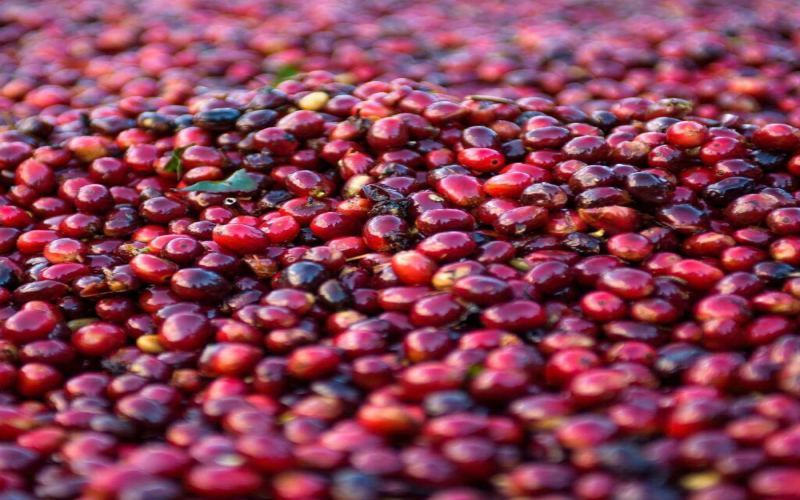
A Comprehensive Analysis of the Origins, Hacienda La Esmeralda Grading System, and Flavor Characteristics of the Geisha Coffee Variety
Geisha coffee is regarded as a legendary variety in the specialty coffee world. From the primordial forests of Ethiopia to the international auction stage in Panama, it has traveled a winding and remarkable path of dissemination. This article systematically sorts through Geisha's varietal origins, spread, and important estates, explains in detail the respective grading systems of Hacienda La Esmeralda and Geisha Village, and provides an in-depth analysis of Geisha coffee's typical flavor expression in dry aroma, wet aroma, and mouthfeel. Front Street Coffee, drawing on years of cupping and green bean comparison experience, will also share professional observations on the differences between Ethiopian Geisha and Panamanian Geisha, offering coffee lovers a complete guide to understanding the Geisha variety. [more…]
Geisha Pour-Over Coffee Brewing Parameters and Flavor Characteristics: Coffee-to-Water Ratio, Water Temperature, and Flavor Comparison of Geisha from Different Origins
Geisha coffee is hailed as one of the best coffee beans in the world, renowned for its extraordinary flavor and aroma. From Hacienda La Esmeralda in Panama to Gesha Village in Ethiopia, Geisha from different origins each has its own distinctive characteristics in bean shape, flavor, and brewing performance. This article will guide you through the origins and rise to fame of Geisha coffee, compare the flavor differences between Panamanian and Ethiopian Geisha, explain the true meaning of grading labels such as Red Label, Green Label, and Gold Label, and share Front Street's brewing parameters and techniques for Geisha coffee, helping you maximize the delicate floral notes and layered complexity of this precious coffee. [more…]
Gesha or Geisha? Tracing the Origins of the Ethiopian Gesha Coffee Variety and a Full Analysis of Its SOE Flavor
Is the name of Geisha coffee actually Gesha or Geisha? This question has long been debated in coffee circles. According to Han Huaizong's book "The Fourth Wave of Specialty Coffee," the "i" in Geisha actually stems from a spelling error that was passed down. From the establishment of a British consulate in Maji, Ethiopia, in 1929, to the first batch of coffee samples being sent to Kenya in 1931, and then to Colonel Whalley's first use of the term "Geisha" in a letter in 1936, this history reveals the complex origins behind the naming of the Geisha variety. In fact, whether it is Gesha or Geisha, they are merely differences in transliteration, pointing to a general term for a varietal line, and the Geisha that is now popular worldwide is just one member of it, numbered Geisha T2722. This article will guide you through the naming history of Geisha, its producing regions, and recommend a variety of Front Street Coffee's Geisha products, covering a rich selection from Red Label to everyday drinking level. [more…]
Complete Analysis of Huakui and Geisha Varieties and Origins: The Origins of the Translations Hambela and Geisha, and a Comparison of Their Flavor Differences
Recently, a video conflated Huakui coffee beans, the Hambela production region, and the Geisha variety, claiming that the three can be equated. Is this really the case? This article will trace the spread of the Geisha variety from Geisha Mountain in Ethiopia to Hacienda La Esmeralda in Panama, clarify the administrative affiliation of Hambela as a sub-region of Guji, and restore the full story of how Huakui coffee beans were named after winning the 2017 TOH. At the same time, Front Street Coffee will, through cupping experience, compare the flavor differences between small-bean Huakui and regular Huakui, and analyze the essential differences between Geisha and Huakui in their main flavor profile, helping coffee lovers build a clear understanding of varieties and production regions. [more…]
Is Geisha and Yiji the Same Variety? The Origins, Flavor Profile, and Red/Green Label Grading of Panama Geisha Explained
Geisha is another highly renowned coffee bean that has attracted much attention after Blue Mountain, and it often becomes the highest-priced "treasure of the shop" in coffee shops. Besides the name "Geisha," some people on the market also call it "Yiji"—are the two actually the same coffee? What historical origins does this bean have, and why is it most famous for the Panama producing region? In this article, Front Street Coffee will sort out Geisha's variety origins, flavor characteristics, and the grade differences between Hacienda La Esmeralda's Red Label and Green Label Geisha, taking you through this legendary coffee from variety and terroir to processing method. [more…]
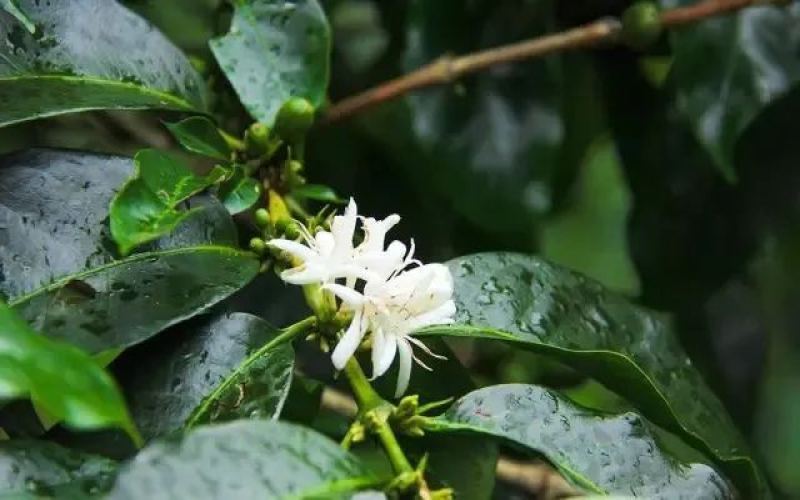
The Mystery of Geisha's Origins: Tracing the Variety from Ethiopian Forests to Gesha Village Estate
Geisha coffee has become a favorite among countless coffee enthusiasts thanks to its alluring flavors, yet many people still have only a vague understanding of this variety's origins and the path of its spread. This article, drawing on materials consulted by Front Street Coffee, sorts out the complete journey of Geisha—from being collected in Ethiopian forests in the 1930s, to passing through Tanzania and Costa Rica, and finally dazzling the world at Hacienda La Esmeralda in Panama. At the same time, we will also take an in-depth visit to Ethiopia's Gesha Village Coffee Estate, to learn about the origins of its founding, the discovery stories of its three major varieties—Gesha1931, Gori Gesha, and Illubabor—as well as the estate's plot divisions and lot grading system. At the end of the article, Front Street Coffee has also selected three Gesha Village coffees for enthusiasts to compare and taste. [more…]
The Origins and Legend of Geisha Coffee: From Ethiopia's Gesha Mountain to Gesha Village's Red Label
Geisha coffee is one of the most sought-after varieties in today's specialty coffee world, having won over countless coffee lovers with its intense floral aroma, tropical fruit notes, and light tea-like body. But did you know that this variety, which now shines so brightly in Panama, Colombia, and beyond, originally came from the Gesha mountainous region in southwestern Ethiopia? This article, from the perspective of Front Street Coffee, traces the origins of Geisha, tells the story of the founding of Gesha Village, and provides a detailed introduction to its Red Label Geisha—its variety, plots, processing methods, and Front Street's brewing recipe—taking you through the complete story of this legendary coffee, past and present. [more…]
The Complete Guide to the Geisha Coffee Variety: From Ethiopian Origins to Panamanian Fame, with Front Street's High-Value Geisha Bean Recommendations
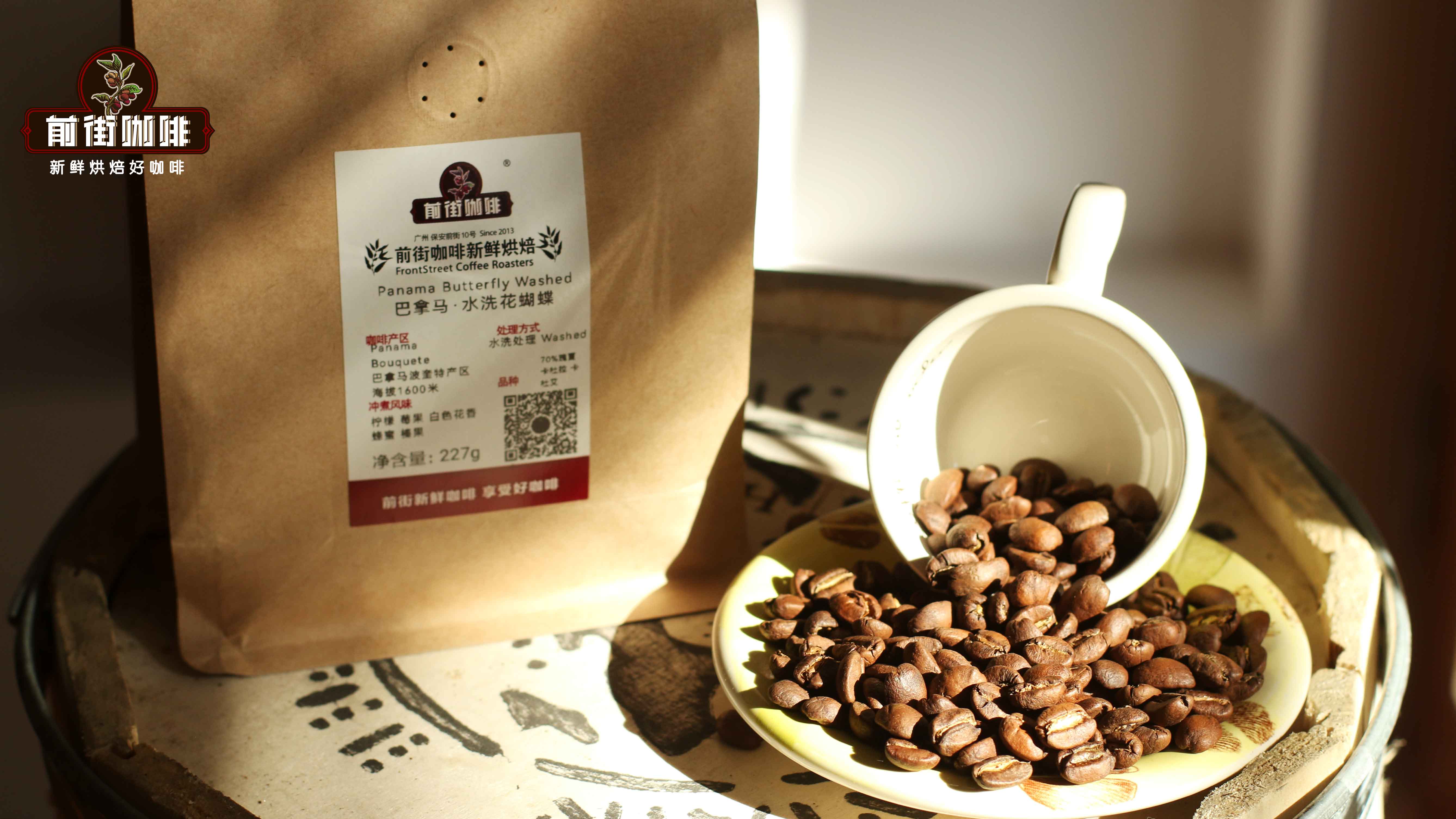
Geisha, a variety that haunts the dreams of countless coffee lovers, set out from the primitive forests of Ethiopia, traveled through Central and South America, and finally rose to fame in Panama. Its signature white floral aroma, citrus honey sweetness, and tea-like texture have completely overturned the traditional perception that coffee is only bitter. This article will begin with the origins of Geisha and its path to fame, analyze why it is called "sky-high-priced coffee," and delve into the causes of the "Geisha flavor"—from varietal characteristics, terroir conditions, to roasting control. At the same time, we will also introduce high-value blend options led by Geisha, such as Front Street Coffee's Butterfly, so that enthusiasts with limited budgets can also taste the orange acidity, honey sweetness, and elegant floral aroma unique to Panamanian Geisha. [more…]
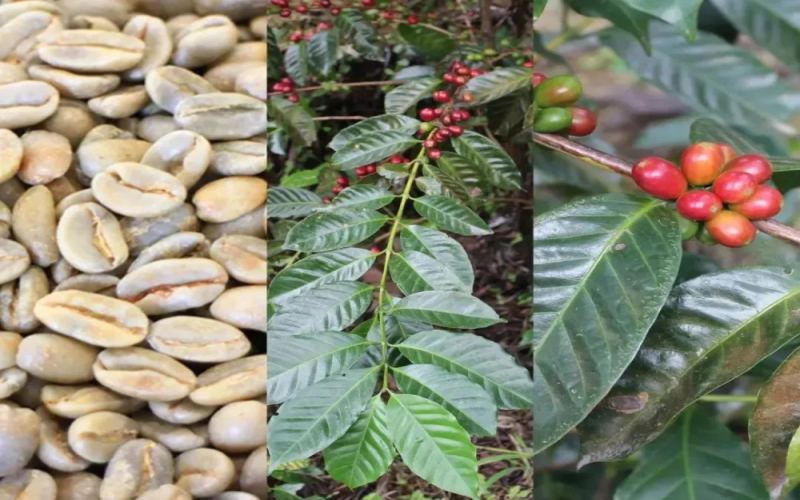
Tracing the Origins of Gesha Village: An Analysis of the Geisha Variety and Flavor Characteristics of Ethiopia's Gesha Village
Geisha is now a star variety in the specialty coffee world, but its roots actually lie deep in the primeval forests of southwestern Ethiopia. This article begins with the history of Geisha's discovery, tracing how it traveled from the Kafa forest through many countries, eventually rose to fame in Panama, and then returns to the journey of Adam Overton and his wife in establishing the Gesha Village Coffee Estate in the Bench Maji region. The article also provides a detailed introduction to the three varieties currently grown at Gesha Village: Geisha 1931, Gori Gesha, and Illubabor 1974, as well as the essential differences in variety between Gesha Village and Panama Geisha. Finally, it presents Front Street Coffee's red-label Geisha brewing flavor description, helping enthusiasts gain a more comprehensive understanding of the origins and development of this legendary producing region. [more…]
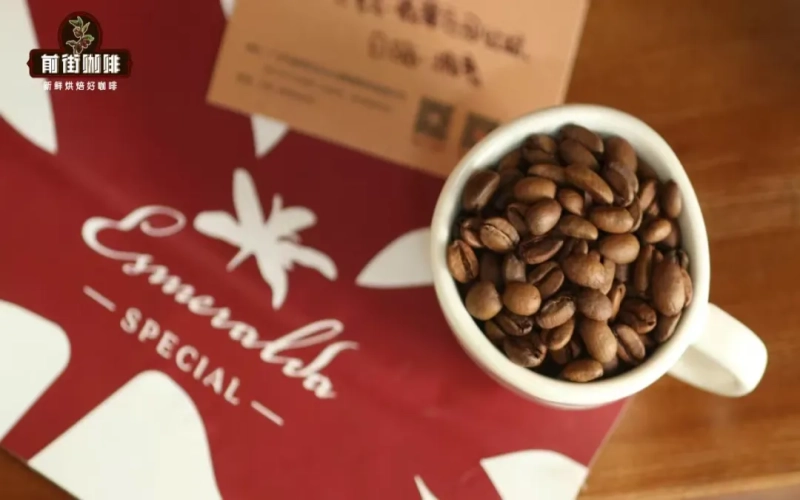
The Mystery of Geisha Coffee's High Price: Tracing Its Origins and Value from Panama to Ethiopia
Originating from the forests of Ethiopia, Geisha has now risen to become the most remarkable luxury symbol in the specialty coffee world. In Panama's Best of Panama (BOP) green bean auctions, its winning bids have repeatedly broken records; even through regular sales channels, its price is often six to ten times that of ordinary varieties. Where exactly does such a price come from? This article will dissect the true reasons behind its expensiveness layer by layer from the perspectives of Geisha's varietal origins, origin controversies, flavor characteristics, and cultivation difficulties, and review its luxurious inheritance relationship with Blue Mountain coffee, leading you to reunderstand the value logic of this cup of the world's top coffee. [more…]
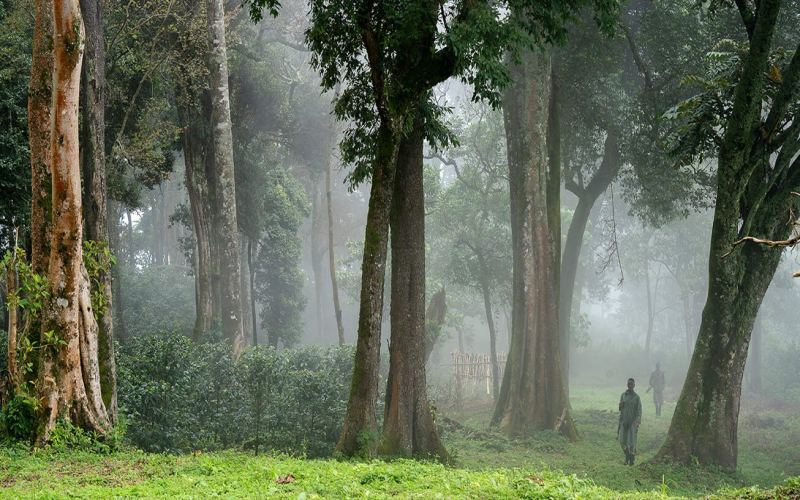
Gesha Village: Tracing the Origins of Ethiopian New Varieties and Recent Auctions
The name Geisha is now almost a highly recognizable symbol in specialty coffee. But what many people don't know is that its roots actually lie in Ethiopia. In recent years, an estate named after Geisha—Gesha Village—has turned its attention back to Ethiopia, and has also made "original Geisha" a [more…]
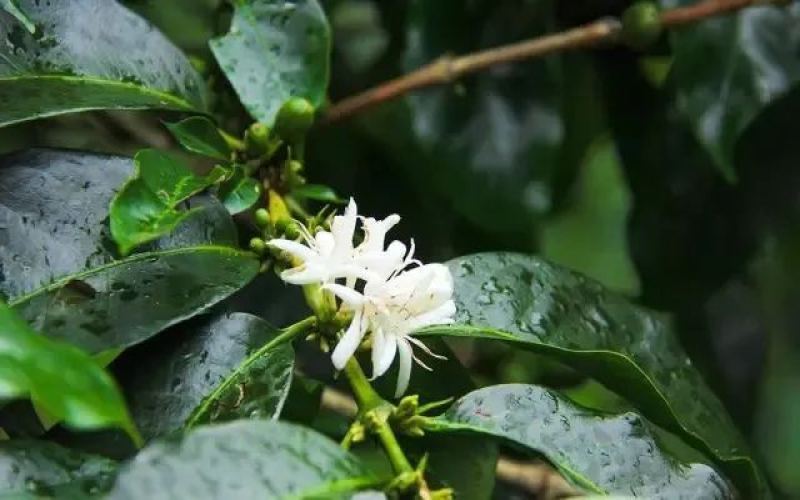
Analyzing the Flavor Characteristics of Geisha Coffee Beans: From Variety Origins to Panamanian Legend and Brewing Tasting
Geisha is one of the most celebrated varieties in today's specialty coffee world, overturning the stereotype that coffee can only taste bitter with its rich floral aromatics, bright citrus acidity, and honeyed sweetness. This article begins with the variety's origins, tracing its legendary journey from the forests of Ethiopia to Hacienda La Esmeralda in Panama, and its breakthrough victory at the 2004 BOP competition, while analyzing how Panama's terroir shapes its soaring aromatics and complex layers. The article also introduces the flavor profile of Front Street Coffee's Hacienda La Esmeralda Green Label Geisha, along with the recipe and brewing suggestions for Front Street Coffee's Butterfly, a high-value Geisha blend, helping coffee lovers experience Panama Geisha's distinctive citrus-honey notes and elegant florals in a more accessible way. [more…]
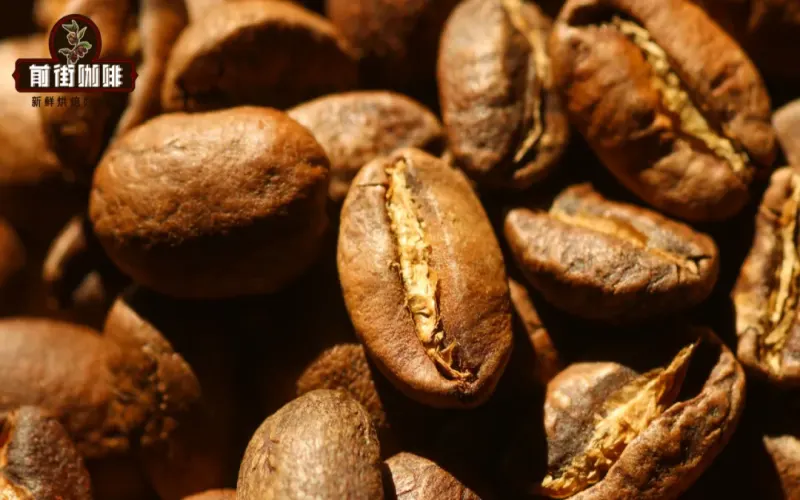
The Origins of Panama Geisha Coffee and a Brewing Guide to Hacienda La Esmeralda’s Red, Green, and Blue Label Geisha Flavors
Geisha coffee is famous for its enchanting floral aroma, and the Geisha from Panama's Hacienda La Esmeralda is the benchmark of the specialty coffee world. On Front Street Coffee's bean list alone, Hacienda La Esmeralda Geisha is divided into three grades totaling five types of beans—what exactly are the differences between them? This article begins with Geisha's Ethiopian origins, tracing its full journey through Kenya, Uganda, and Costa Rica before it finally shone brilliantly in Panama, and offers an in-depth analysis of the essential differences between Red Label, Green Label, and Blue Label in terms of production plots, bean appearance, and dry aroma performance. In addition, Front Street will share brewing parameters and staged extraction techniques for light-roasted Geisha, and describe one by one the flavor profiles of five beans—Natural Red Label, Washed Green Label, Natural Green Label, Washed Blue Label, and Natural Blue Label—helping coffee lovers gain a comprehensive understanding of this precious variety. [more…]

Flavor Analysis of Panama Boquete Geisha Coffee: Variety Origins, Hacienda La Esmeralda Grading, and Pour-Over Brewing Suggestions
Geisha coffee is hailed as the super aristocrat of the specialty coffee world. From an unnamed variety in the forests of Ethiopia to the champion bean of Hacienda La Esmeralda in Panama, it has conquered countless coffee lovers with its elegant, floral-scented flavor. In this article, Front Street Coffee will take you through the origins of the Geisha variety and its rise to fame, explain why Panama's Boquete region can produce such refined flavors, sort out Panama's coffee altitude grading system and the red, green, and blue label system within Hacienda La Esmeralda, and share Front Street's cupping notes on several Panamanian Geisha coffees along with pour-over parameter recommendations, so you can gain a comprehensive understanding of this coffee bean that captivates you from the very first sip. [more…]
Panama Geisha Coffee Flavor Analysis: Variety Origins, Regional Characteristics, and Pour-Over Parameter Essentials
Geisha coffee is now regarded by many enthusiasts as synonymous with top-tier coffee, and Panama's Hacienda La Esmeralda is the most iconic classic producing region among them. This article begins with the historical origins of the Geisha variety, tracing how it went from wild seeds in Ethiopia, through Kenya and Costa Rica, and finally shone brilliantly in Panama. It also analyzes the source of Geisha coffee's unique floral, berry, and honey flavors, as well as the influence of terroir on taste. At the end, it includes the complete pour-over parameters and three-stage pouring steps for Front Street Coffee's Hacienda La Esmeralda Red Label Geisha, for coffee enthusiasts to reference and practice. [more…]
From Ethiopian Forests to Cup Flavor: A Comprehensive Analysis of Gesha Village's Variety Origins, Plot Divisions, and Gold/Red Label Chaka Lots
Geisha is one of the most sought-after varieties in today's specialty coffee scene, yet the market is flooded with products labeled "Geisha," while few truly understand its origins and evolution. From the perspective of Front Street Coffee, this article first traces Geisha's spread from the coffee forests of Ethiopia to Panama, and its rise to fame through the BOP auction. It then focuses on the Gesha Village Estate in Ethiopia—recounting how Adam Overton and his wife found the Gori Gesha forest and established the estate, introducing the three varieties Gesha1931, Gori Gesha, and Illubabor and their correspondence with the eight blocks, and finally explaining the grade differences between the auction, Gold Label, Red Label, Green Label, and Chaka lots, along with flavor and purchasing information for Front Street Coffee's three Gesha Village products: Gold Label, Red Label, and Chaka. [more…]

The Flavor Profile and Historical Origins of Panama Geisha Coffee Beans: A Detailed Explanation of the Differences Between Green Tip and Red Tip Varieties
Geisha coffee traveled from the primordial forests of Ethiopia to the world stage, enduring decades of obscurity before its transformation. In 2003, Hacienda La Esmeralda entered it into the Best of Panama competition, and it shot to fame overnight, not only breaking green bean auction records but also forcing organizers to split the competition into Geisha and non-Geisha categories. This article will trace Geisha's varietal origins, explain the differences between green-tip and red-tip Geisha, and focus on two Panamanian Geishas on Front Street Coffee's bean list—Hacienda La Esmeralda Green Label and Finca Deborah Savage Series—taking you through the growing region's terroir, processing methods, and brewing suggestions for a comprehensive understanding of this coffee king's unique charm. [more…]